

Mastoureh Afshar and the Rise of Women’s Activism in Early 20th Century Iran
A Pioneer of Feminist Reform, Education Advocacy, and International Women’s Movements
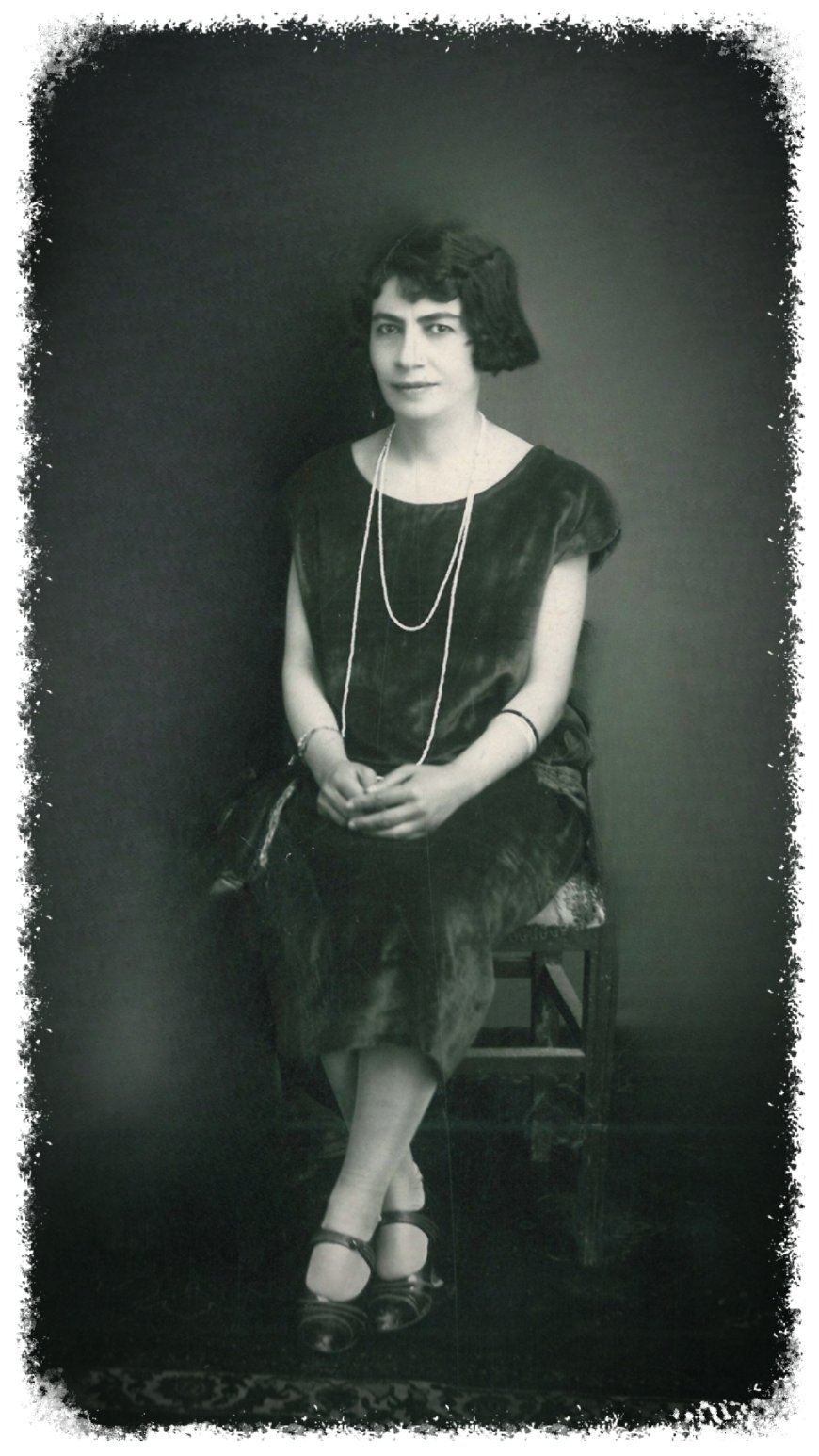
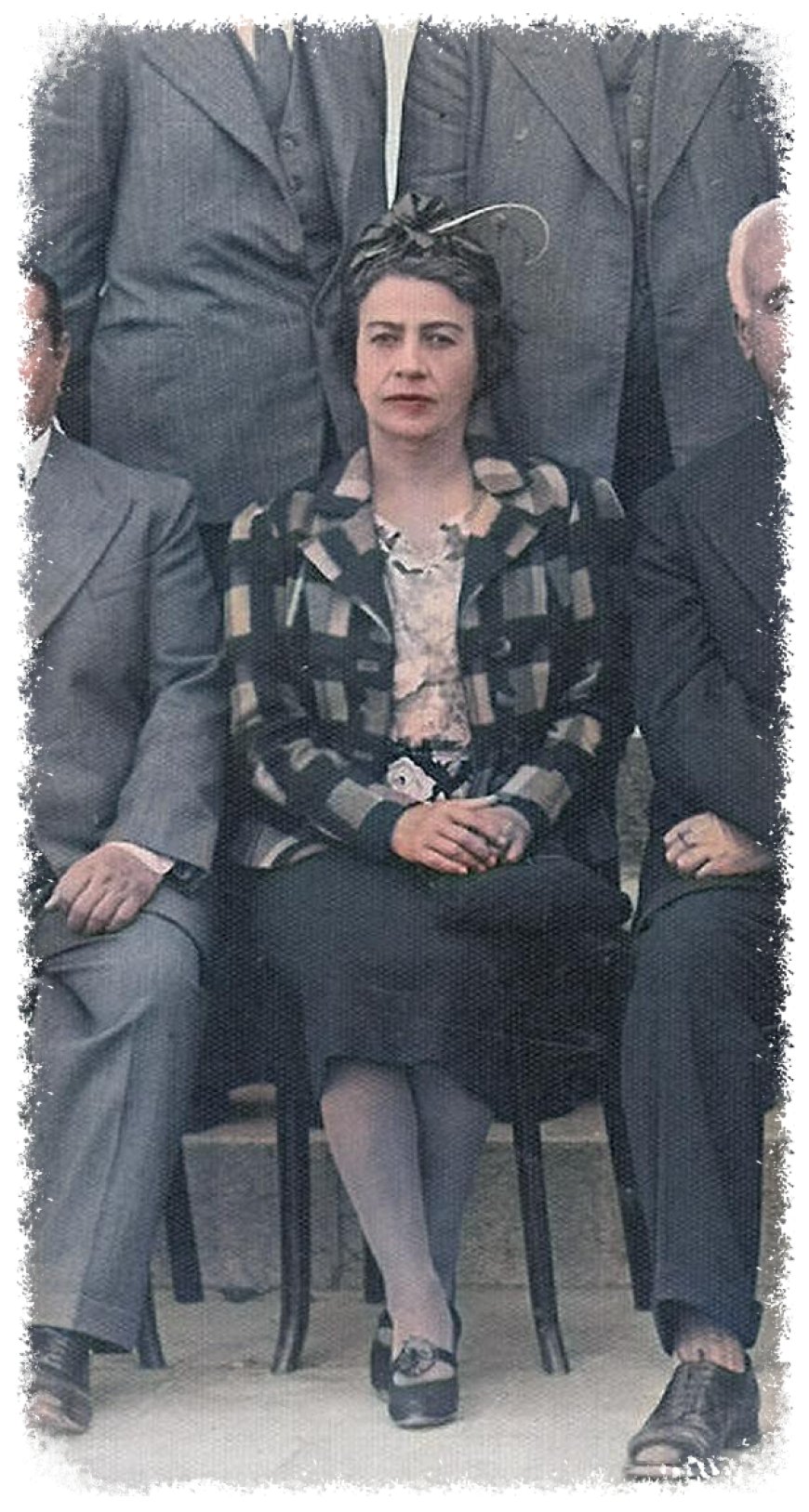
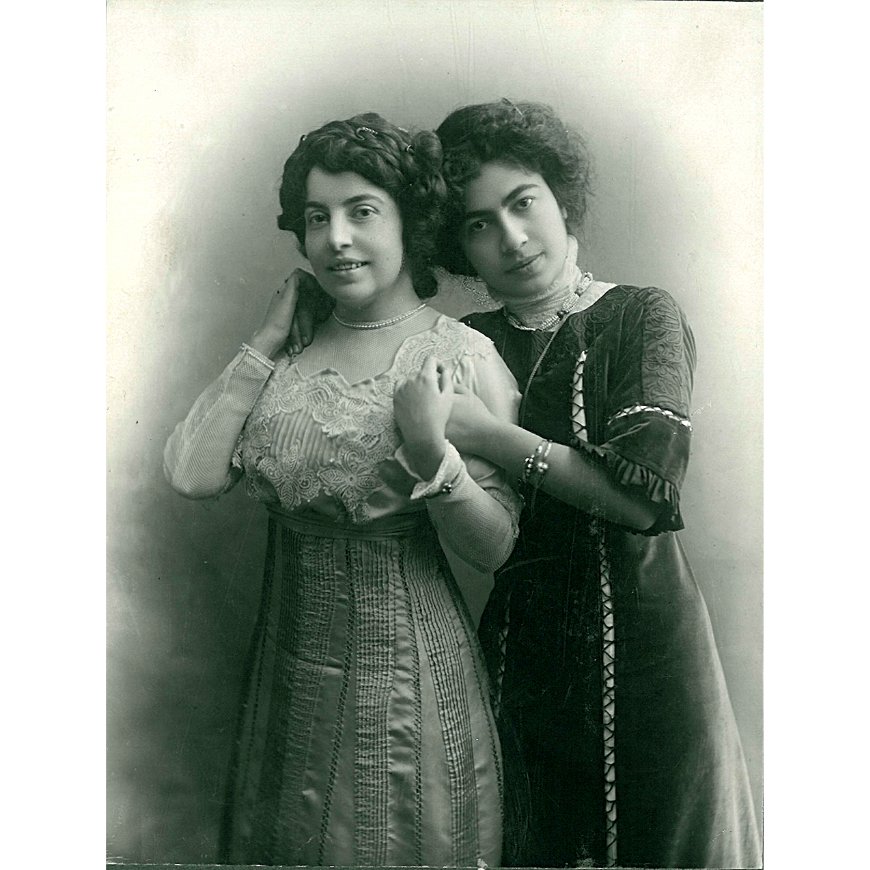
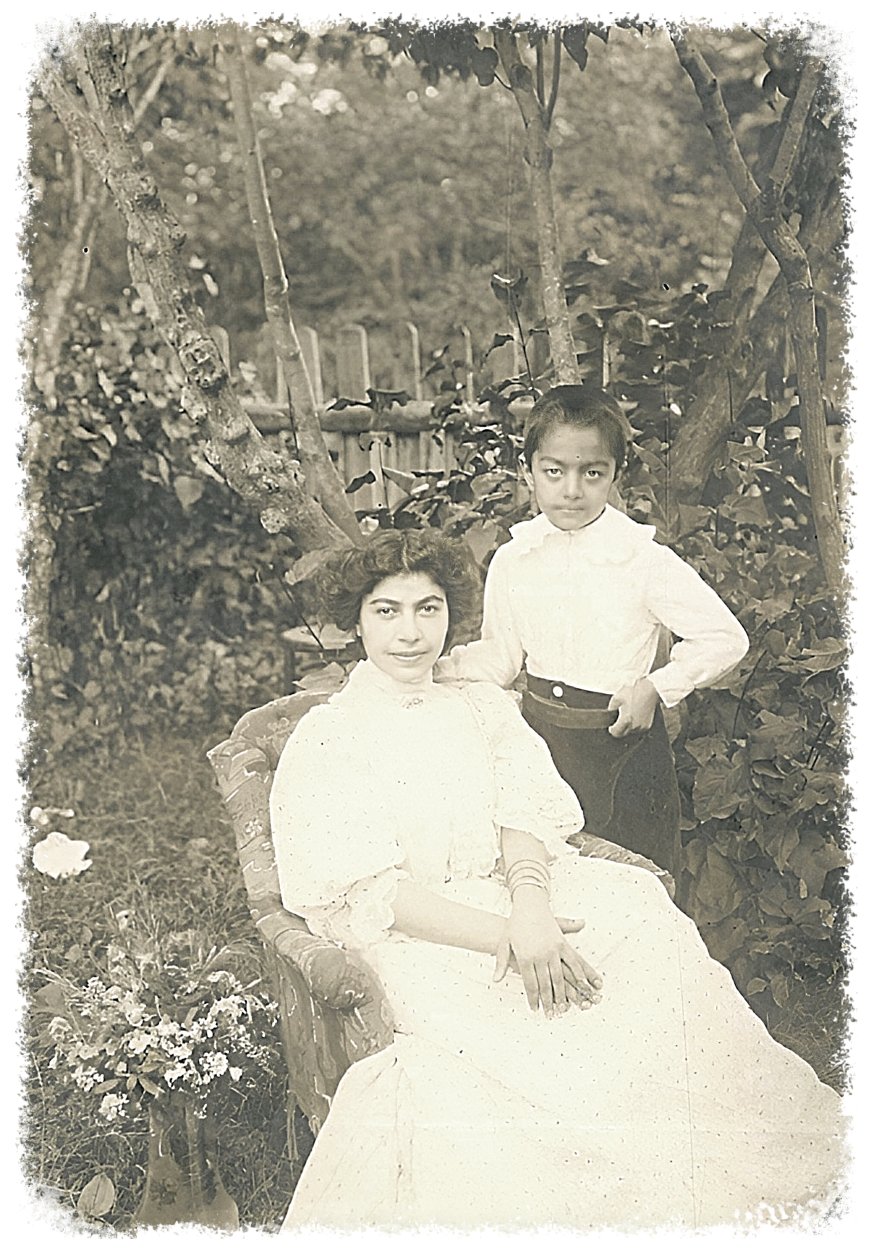
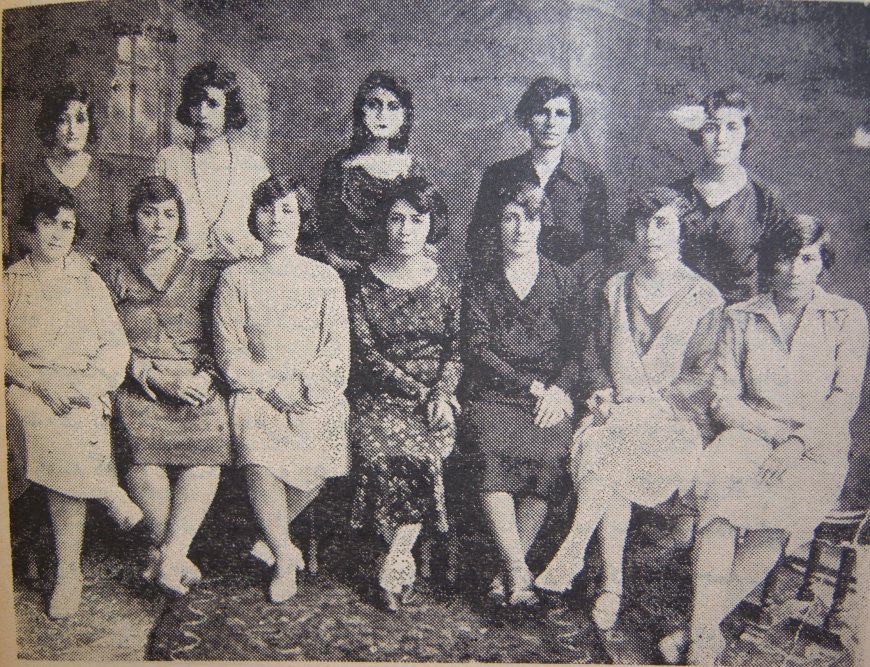
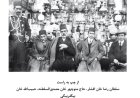
Board of directors of Jam'iyat-e Nesvan-e Vatankhah, a women's right association in Tehran (1923-1933)
From left to right: Number 4 sitting is Ms. Mastoureh Afshār
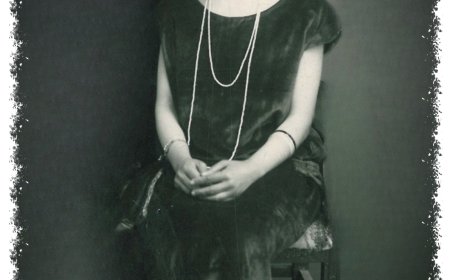
Mastoureh Afshar was born in 1898 in Urmia, located in the West Azerbaijan province. She was the daughter of Majd al-Saltaneh Afshar, an intellectual figure associated with Iranian nationalism. Educated in Russia, she was fluent in Persian, Azeri, Turkish, and French. Mastoureh had four siblings; her eldest brother, Jalal Afshar, is recognized as the father of Iranian entomology. Her sister Turan also pursued a career in entomology, while her other two sisters, Alca and Heide, were politically active members of the Patriotic Women's League alongside Mastoureh.
Following the Persian Constitutional Revolution, various women's rights organizations emerged. Afshar collaborated with contemporaries such as Sediqeh Dowlatabadi and Mohtaram Eskandari to advocate for the establishment of girls' schools and the advancement of political rights for women. In 1922, she co-founded the Patriotic Women's League, which was led by Mohtaram Eskandari until her death from complications related to spinal surgery at age 29 in 1925. Subsequently, Mastoureh took over leadership until 1932. She represented Iran at the inaugural conference on Muslim women held in Damascus in 1930 alongside Sediqeh Dowlatabadi and Tabatai.
In 1932, she received an invitation from the Iranian government to organize and launch the second Eastern Women's Congress in Tehran from November 27 to December 2 of that year. The congress attracted women from fifteen countries including Australia and Afghanistan up to Zanzibar. A notable outcome was a 22-point resolution advocating for women's suffrage, equal access to education and employment opportunities, reforms to family law, as well as bans on polygamy and prostitution. However, following its conclusion, governmental control over the Patriotic Women's League led to its dissolution.
**Death**
Mastoureh remained unmarried throughout her life and passed away from breast cancer in Tehran in 1951.
What's Your Reaction?