People of the Land
The Afshar Tribe
A proud Turkic-speaking confederation whose roots run deep in the soils of northwestern Iran — and whose branches reach across the breadth of Eurasia.
Who We Are
Identity of the Afshar People
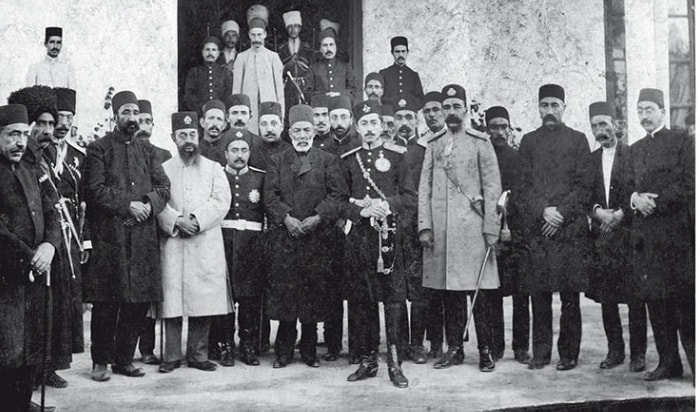
The Afshar are one of the great tribal confederations of the Turkic world — a people defined not merely by geography, but by a shared language, culture, and centuries of collective memory. Descended from the Oghuz Turks who swept westward from the Altai Mountains in the early medieval period, the Afshars settled in the fertile highlands of northwestern Iran, particularly around the city of Urumia in the Azerbaijan region.
Renowned as skilled horsemen, warriors, weavers, and administrators, the Afshars occupied a unique position in Persian society — simultaneously a military force of great consequence and a community with rich artistic and cultural traditions. Their identity has always been layered: Turkic in language, Persian in culture, and fiercely independent in spirit.
The Heartland
Urumia — The Seat of the Afshar Tribe
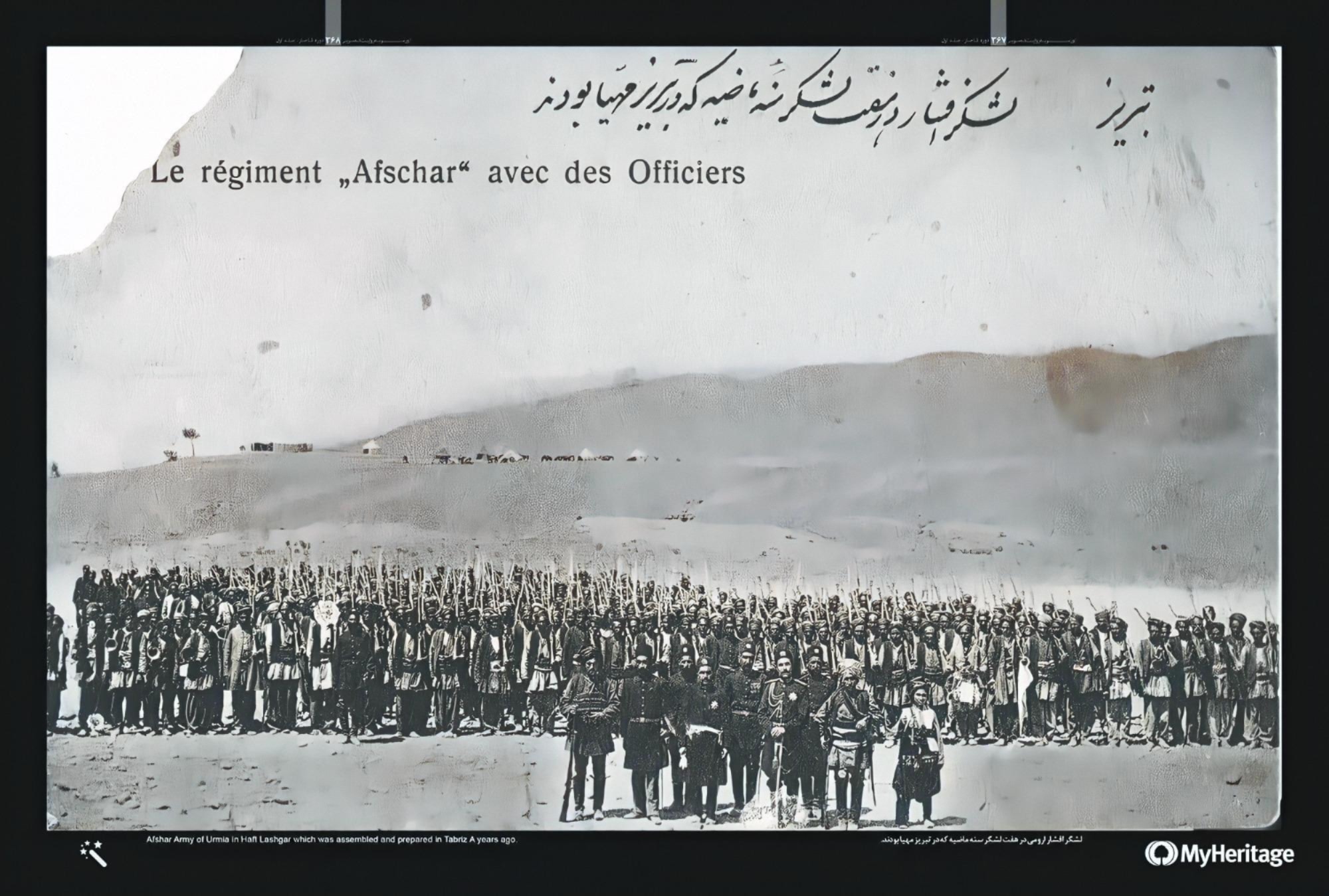
The city of Urumia — known today as Urmia, capital of West Azerbaijan Province in northwestern Iran — has served as the historical headquarters and spiritual heartland of the Afshar tribe for centuries. Situated on the western shore of Lake Urmia, one of the world's largest saltwater lakes, the city sits at the crossroads of ancient trade routes connecting Persia, Anatolia, and the Caucasus.
From Urumia, Afshar chiefs commanded vast territories and dispatched warriors to serve the great dynasties of Persia. The city's strategic position made it a prize fought over by Persians, Ottomans, and Russians alike — yet through every upheaval, the Afshar presence endured, anchoring the tribe's identity to this ancient land.
Culture & Traditions
Arts, Language & Living Heritage
Language
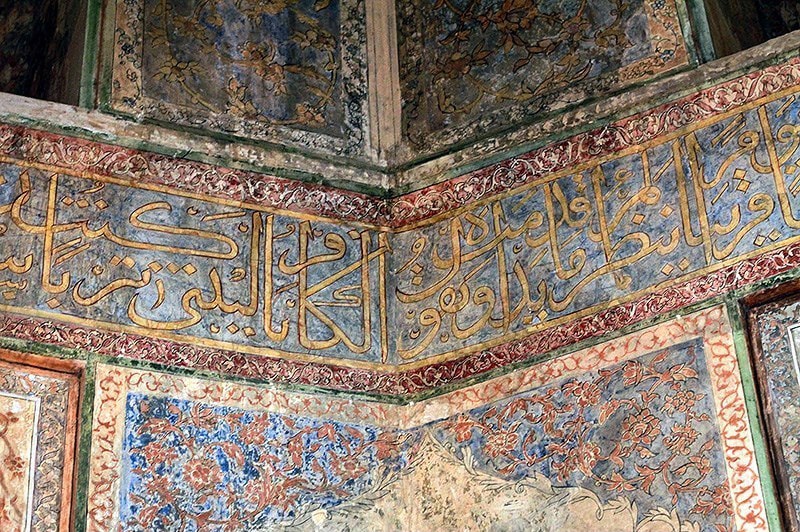
The Afshars speak a dialect of Azerbaijani Turkic, part of the broader Oghuz branch of the Turkic language family. This tongue has been the vessel of Afshar oral poetry, epic storytelling, and communal memory for over a millennium, preserving the tribe's identity across borders and generations.

Weaving & Textile Arts
Afshar tribal rugs and kilims are among the most prized in the Persian carpet tradition. Woven by women on horizontal looms, they feature bold geometric patterns, vivid colours, and symbolic motifs — each piece a map of tribal identity, family history, and the natural world of the Azerbaijan highlands.
Oral Tradition & Epic Poetry
Like many Turkic peoples, the Afshars have a rich tradition of oral literature — epic poems, heroic ballads, and folk tales passed down through generations of ashiqs (wandering bards). These narratives celebrate the tribe's warriors, lament its losses, and keep alive the memory of Nader Shah's extraordinary rise.
The Afshar Diaspora
A Tribe Scattered, A People United
Following the fragmentation of the Afsharid Empire after Nader Shah's assassination in 1747, Afshar communities dispersed across a vast arc of territory. Today, descendants of the tribe are found in at least five nations, each community carrying its own chapter of the Afshar story.
Iran
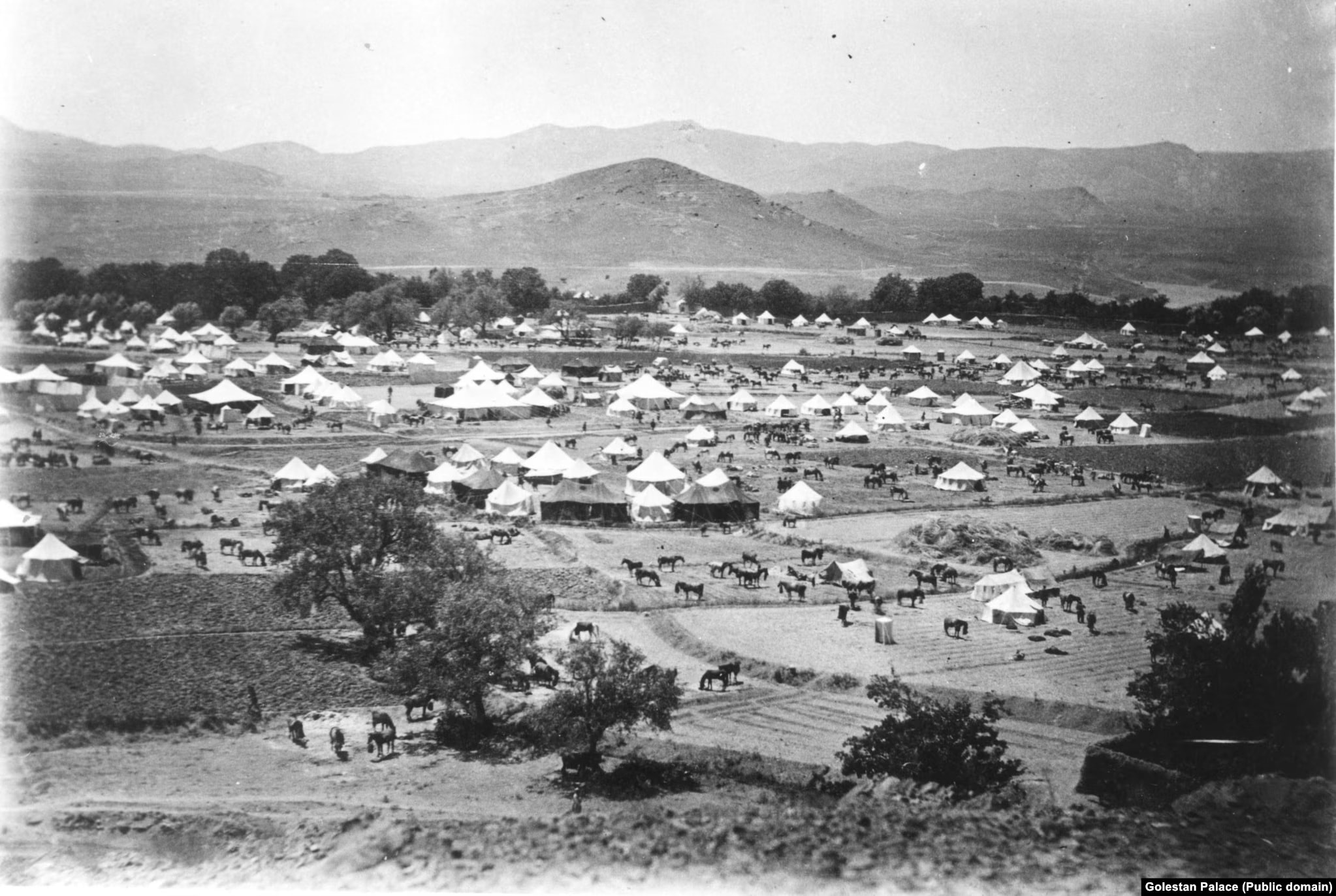
The largest Afshar population remains in Iran, concentrated in West Azerbaijan (Urumia region), Khorasan, Isfahan, and Hamadan provinces. Iranian Afshars have been central to Persian political and cultural life for centuries.
Azerbaijan
Significant Afshar communities exist in the Republic of Azerbaijan, particularly around Baku and in the southern regions bordering Iran. Their Turkic language and shared heritage create natural bonds with the broader Azerbaijani population.
Turkey
Afshar groups settled in eastern Anatolia following the Ottoman-Persian wars of the 18th century. Turkish Afshars, known locally as Avşar, maintain distinct tribal identities and are found primarily in the provinces of Sivas, Adana, and Kahramanmaraş.
Afghanistan
Afshar communities in Afghanistan, particularly in the northern provinces and around Kabul, trace their presence to the campaigns of Nader Shah and subsequent migrations. The Kabul neighbourhood of Afshar bears the tribe's name to this day.
Central Asia
Smaller Afshar communities are found in Turkmenistan and Uzbekistan, remnants of the tribe's ancient connections to the Turkic heartland of Central Asia and the campaigns of the Afsharid Empire.
The Dynasty Awaits
Explore the Dynasty's Founder
Learn about Nader Shah Afshar — the shepherd's son who became the master of empires.