

Guardian of the House
Emmett Imani
Steward of the Afshar legacy, keeper of the dynasty's truth, and voice of a lineage forged in empire.
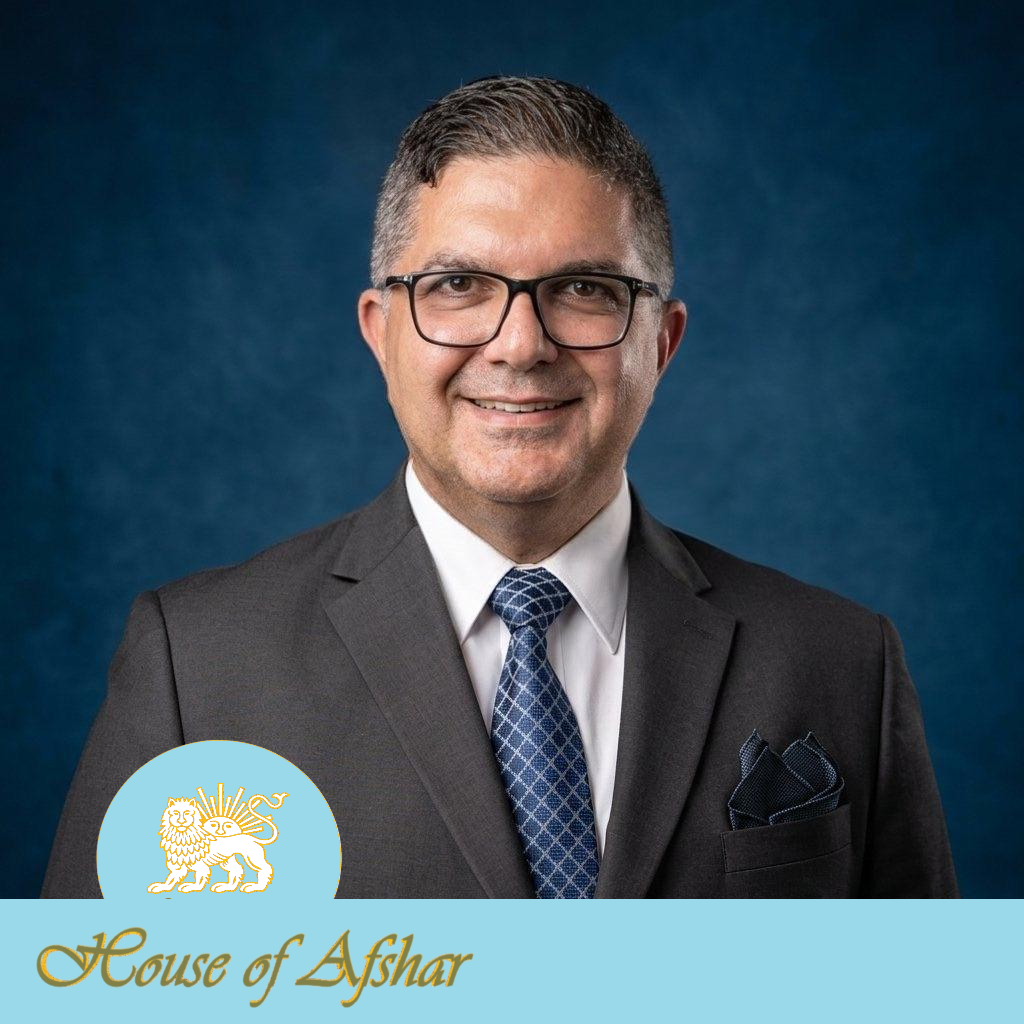
Emmett Imani
Guardian of the House of Afshar
The Guardian
Emmett Imani
Emmett Imani is the Guardian of the House of Afshar — the living custodian of one of history's most consequential dynasties. Born into the Afshar lineage, he has dedicated his life to preserving and articulating the legacy of a people whose influence stretched from Khorasan to the courts of Delhi.
As an author, Emmett has produced works that sit at the intersection of history, geopolitics, and spiritual reflection. His book Beyond the Red Lines examines the modern conflicts of the South Caucasus through the lens of Afshar historical custodianship. Zangezur: A Custodianship Forgotten recovers the contested heritage of a region long obscured by political convenience. His spiritual work, Psalms of Emmett, extends the Afshar tradition of guardianship into the realm of the soul.
Emmett's guardianship is not nostalgic. It is forward-facing — a commitment to ensuring that the Afshar name, and the values it represents, remain a living force in the world. He speaks not only for the past, but for the millions of Afshar descendants across Iran, Azerbaijan, Turkey, Afghanistan, and the global diaspora who carry this heritage in their blood.
The Office of Guardian
What It Means to Guard a Dynasty
The role of Guardian is not ceremonial. It is an active, living responsibility — to defend the historical record of the House of Afshar against distortion, to preserve its cultural heritage against erasure, and to carry its voice into the present with scholarship and conscience.
Dynasties do not simply end. They transform. The Afsharid dynasty, which once commanded empires from the Caucasus to the Indian subcontinent, now commands memory. The Guardian is the custodian of that memory — ensuring that the name Afshar is not reduced to a footnote, but understood in its full historical weight.
This guardianship is exercised through historical works, diplomatic commentary, and cultural preservation — a mandate that spans the political, the scholarly, and the deeply personal.
Pillars of Stewardship
The Guardian's Charge
Historical Preservation
Defending the rightful place of the Afshar dynasty in the chronicles of Iran, the Caucasus, and the wider world — clarifying distorted histories and ensuring the lineage is not erased by convenience or neglect.
Ethical Custodianship
Acting as guardian of the House's enduring values: honor, justice, resilience, and stewardship. The Afshar responsibility is not to dominate, but to protect — not to erase others, but to maintain rightful memory.
Scholarly Voice
Speaking in the voice of the dynasty with scholarship and conscience — through historical works, geopolitical commentary, and spiritual writing that carry the Afshar perspective into the present.
Diaspora Connection
Connecting Afshar communities across five nations and the global diaspora — ensuring that descendants from Khorasan to the Americas understand and take pride in their shared heritage.
The House's Mission
A Dynasty Alive in the Present
The House of Afshar exists to ensure that one of history's most consequential dynasties is neither forgotten nor misrepresented. From Nader Shah's restoration of Iranian sovereignty to the Afshar tribe's enduring presence across Eurasia, this heritage belongs not only to the past, but to the millions who carry it forward.
The mission is threefold: to preserve historical truth through rigorous scholarship; to protect cultural heritage wherever it is threatened by erasure or distortion; and to serve as a conscience in the ongoing conversations about identity, borders, and belonging that define the modern world.
In an era when history is frequently weaponised and memory selectively curated, the House of Afshar stands as a counterweight — insisting on complexity, demanding accuracy, and refusing to allow a dynasty of this magnitude to be reduced to a convenient narrative.
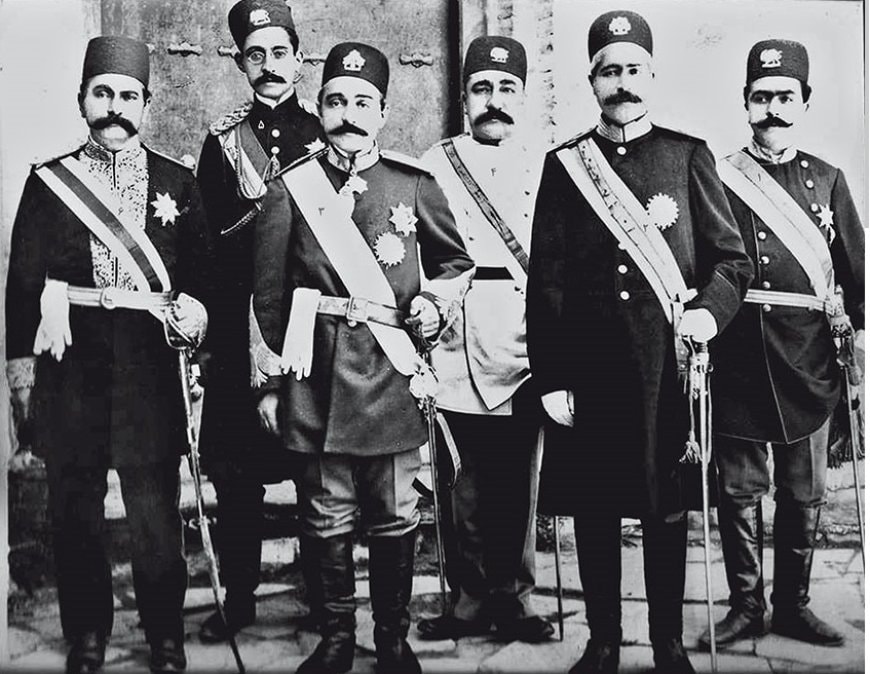
The Foundation of the House
Charter of the House of Afshar
The Living House
The House of Afshar is not a relic, nor a museum of names. It is a living lineage, carried across centuries, rooted in both triumph and tragedy. Its most luminous chapter came under Nader Shah Afshar, whose sword and vision restored Iran's sovereignty, defended its people, and extended its dominion across Asia.
The Afshar name signifies custodianship. It is not a possession of land alone, but of culture, dignity, and historical responsibility. Where others see dynasties as ended, the Afshar lineage insists on continuity — not through crowns and thrones, but through guardians who protect its truth.
The Guardianship
To be Guardian of the House of Afshar is to inherit a twofold authority:
Historical Authority — To defend the rightful place of the House in the chronicles of Iran, the Caucasus, and the wider world. This means clarifying distorted histories, preserving the cultural and political memory of Afshar rule, and ensuring the lineage is not erased or diminished by convenience, ideology, or neglect.
Ethical Authority — To act as custodian of the House's enduring values: honor, justice, resilience, and stewardship. The Guardian does not rule by decree, but by word, record, and conscience. His authority lies in carrying forward the voice of a dynasty that once commanded empires and now commands memory.
Continuity in the Present
In the 21st century, the guardianship of the House takes new forms. Through historical works such as Beyond the Red Lines and Zangezur: A Custodianship Forgotten, the Guardian speaks on war, borders, and heritage from the Afshar perspective. Through spiritual writings such as Psalms of Emmett, he extends the Afshar custodianship into the realm of the soul.
The House of Afshar is not sealed in the past. It is active in the present: a conscience in diplomacy, a memory in history, a voice in literature, a custodian of heritage.
Why It Matters
In times when nations fracture, when memory is rewritten, and when history is wielded as a weapon, the authority of the House of Afshar matters because it offers continuity:
Continuity of Iran's and the Turkic world's historical truth.
Continuity of custodianship over contested lands and forgotten corridors.
Continuity of ethical responsibility in a world where power often erases dignity. The Guardian's authority is not self-proclaimed. It is an inheritance of history, carried in name, in duty, and in the recognition that dynasties transform but do not vanish.

A dynasty is not measured by the length of its reign, but by the depth of its memory. The House of Afshar endures because its truth is worth defending.
The Guardian's Oath
Oath of the Guardian
I, Emmett Imani, Guardian of the House of Afshar, affirm before history and posterity:
To preserve the truth of the Afshar name, against forgetting, against distortion, against the slow erosion that time inflicts on names insufficiently defended.
To protect its heritage wherever it is threatened by erasure, whether by conquest, by convenience, or by the quiet neglect of those who no longer remember why memory matters.
To speak in its voice with scholarship and conscience, joining rigor to reverence, so that the House is defended by evidence as much as by devotion.
To honor the sword of Nader Shah without glorifying conquest for its own sake, remembering that the House is measured not by what it took, but by what it chose afterward to protect.
To carry the wounds of exile and fragmentation not as shame, but as instruction, understanding that a lineage tested by loss and still standing has proven something a lineage of unbroken comfort never could.
To resist the temptation to rule by decree, holding instead to word, record, and conscience as the only legitimate instruments of a Guardian's authority.
To extend the House's custodianship beyond politics and borders into the human and the spiritual, so that its inheritance is not only territorial memory, but moral and personal formation.
To stand as a voice for the Turkic and Iranian worlds' shared and contested histories, refusing to let either be flattened into simplicity by those who have never had to hold both.
To teach this custodianship forward, so that guardianship does not end with one bearer, but is understood, in every generation, as a duty that can be inherited only by those willing to serve it.
To remain accountable to history itself, knowing that no title exempts its holder from scrutiny, and that the House is best served not by unquestioned authority, but by earned trust.
The House endures. The Guardian speaks.
Emmett Imani, Guardian of the House of Afshar
Famous Afshars
Masturah Afshar
Poet · Historian · Princess of the Afsharid Line
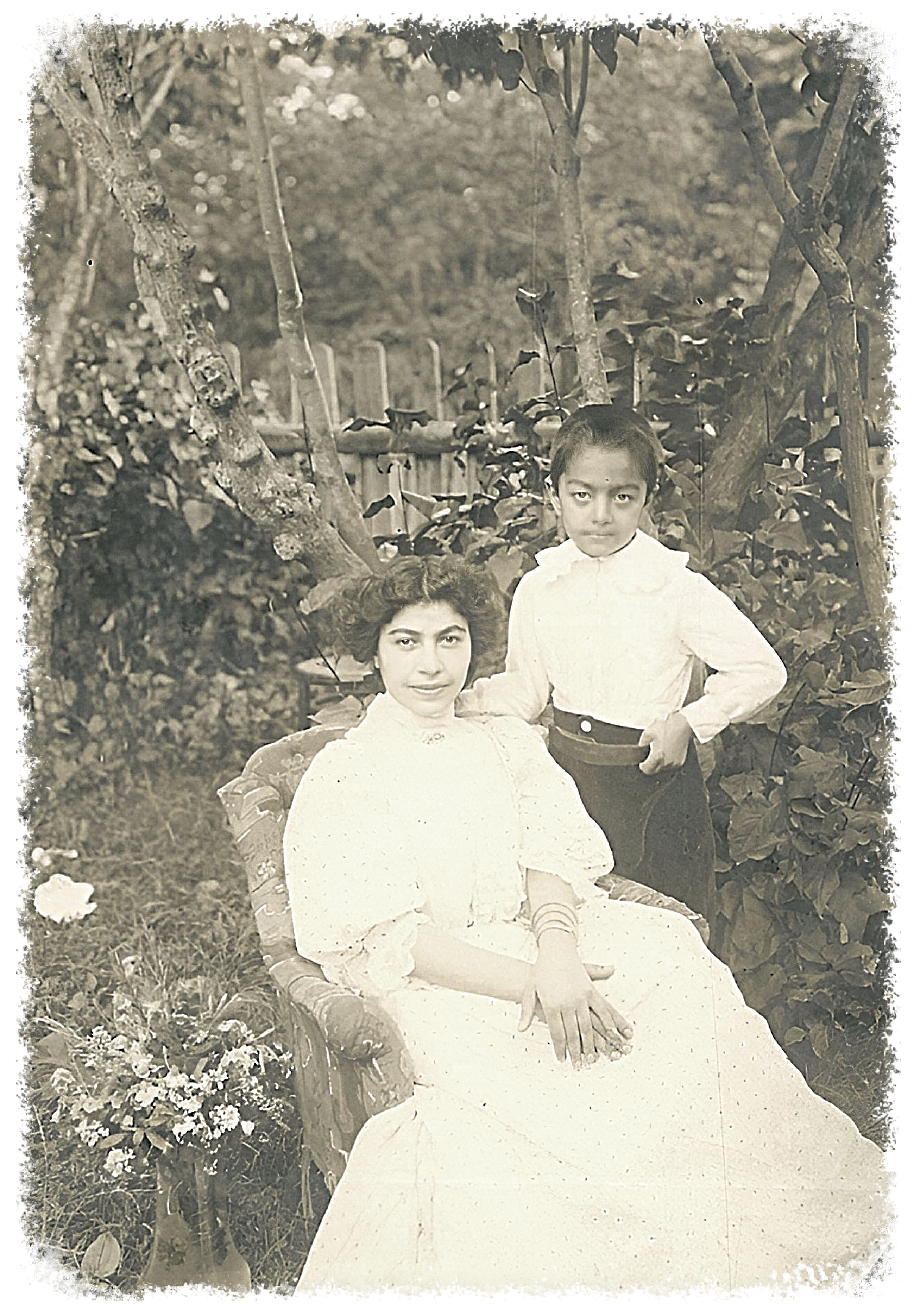

Masturah Afshar (1805–1848) stands as one of the most remarkable figures of the Afsharid legacy — a woman of extraordinary intellect who defied the conventions of her era to become both a ruling regent and a celebrated poet-historian.
Born into the Afsharid ruling family of Urmia, Masturah served as regent of the Urmia khanate following the death of her husband, Ja'far Qoli Khan. In an age when women were rarely afforded political authority, she governed with a combination of diplomatic acumen and firm resolve, navigating the treacherous currents of Qajar imperial pressure and regional rivalry.
Her literary legacy is equally significant. Masturah composed poetry in both Persian and Azerbaijani Turkic, and authored a historical chronicle of the Afshar khans of Urmia — one of the few surviving first-hand accounts of the post-Nader Afsharid period written by a member of the dynasty itself. Her work preserves voices and events that would otherwise have been lost entirely.
Masturah Afshar represents the full breadth of what the Afshar name has always meant: not merely conquest and empire, but culture, scholarship, and the courage to speak truth in difficult times. She is remembered by the House of Afshar as a guardian in her own right — of language, of memory, and of dignity.
Join the House
Connect with the House
Reach out to learn more about the House of Afshar, its history, and how you can connect with the living legacy of this extraordinary dynasty.