
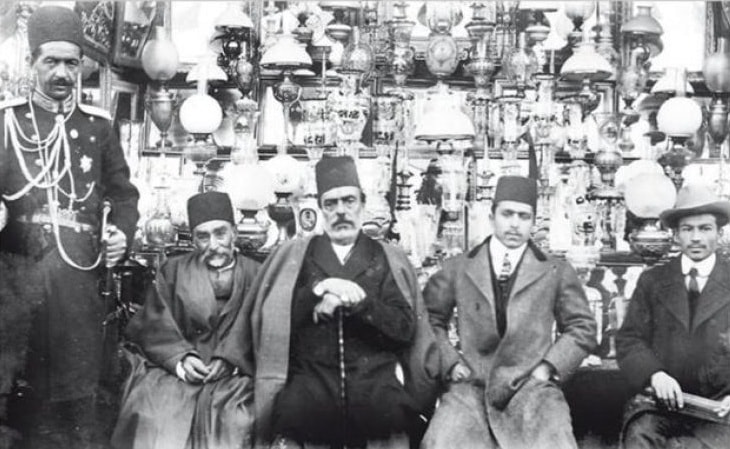
A Thousand Years of Legacy
History & Origins
From the steppes of Central Asia to the throne of Persia — the story of the Afshar tribe is one of endurance, conquest, and civilisation.
The Ancient Roots
Who Are the Afshars?
The Afshar are a Turkic-speaking tribal confederation whose origins trace back to the great migrations of Oghuz Turks across Central Asia in the early medieval period. Settling in the fertile lands of northwestern Iran — particularly the Azerbaijan region around Urumia — they became one of the most formidable tribal groups in the Persian world.
Renowned as skilled horsemen, warriors, and administrators, the Afshars served under successive Persian dynasties — the Timurids, the Safavids, and others — before producing their own supreme ruler in the form of Nader Shah, who would go on to forge one of history's most dramatic empires.
The city of Urumia (modern Urmia, in West Azerbaijan province, Iran) served as the historical heartland and headquarters of the Afshar tribe, a stronghold from which their influence radiated outward across Persia and beyond.

Chapter I
Oghuz Origins & Safavid Service
The Afshar tribe descends from the Oghuz Turks, one of the great nomadic confederations that swept westward from the Altai Mountains of Central Asia beginning in the 9th and 10th centuries. The Oghuz gave rise to the Seljuk and Ottoman empires, and the Afshars were among their most distinguished branches.
By the 16th century, the Afshars had become a key military pillar of the Safavid Empire — the Shia Persian dynasty that ruled Iran from 1501. Afshar warriors formed part of the Qizilbash, the elite tribal cavalry that was the backbone of Safavid military power. Their loyalty and martial prowess earned them lands and prestige across the empire.
Chapter II
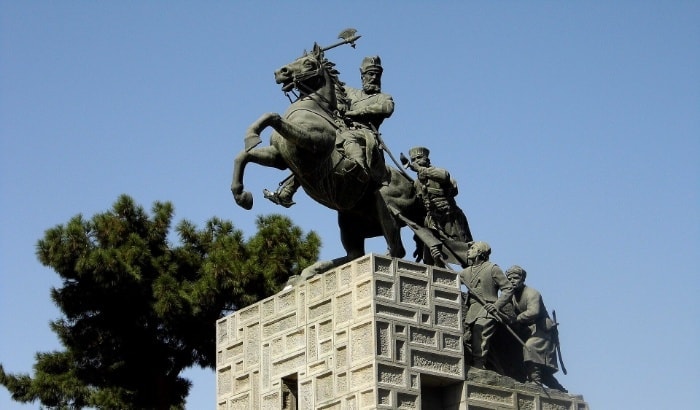
The Rise of Nader Shah
Born in 1688 in Dastgerd, Khorasan, Nader Qoli Beg entered the world in poverty. Orphaned as a child and briefly enslaved, he escaped to become a soldier of extraordinary talent. Rising through the ranks of local warlords, he assembled his own army and offered his services to the Safavid Shah Tahmasp II.
Between 1726 and 1736, Nader reconquered Persia from Afghan invaders who had sacked Isfahan, expelled the Ottomans from the Caucasus, and restored Persian sovereignty across its historic territories. His military genius was unmatched — he never lost a major battle. In 1736, at the Plain of Moghan, he deposed the last Safavid and crowned himself Shah of Persia, founding the Afsharid dynasty.
Chapter III
Empire at Its Zenith
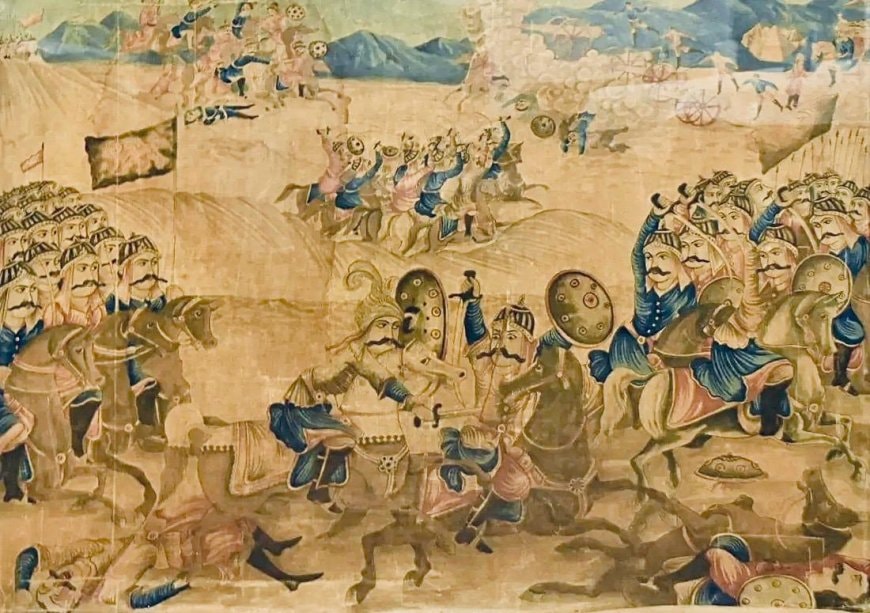
The Afsharid Empire at its height stretched from the Caucasus Mountains in the north to the Persian Gulf in the south, and from the Ottoman frontier in the west to the Indus River in the east. Nader Shah's campaigns were breathtaking in their speed and audacity — he moved armies across deserts and mountain ranges that had stopped conquerors for centuries.
In 1739, Nader Shah invaded Mughal India, defeating the Emperor Muhammad Shah at the Battle of Karnal. He entered Delhi and seized the legendary Peacock Throne — encrusted with the Koh-i-Noor and Darya-ye Noor diamonds — along with treasures so vast that he suspended taxation in Persia for three years upon his return. It was the greatest single act of plunder in recorded history.
Chapter IV
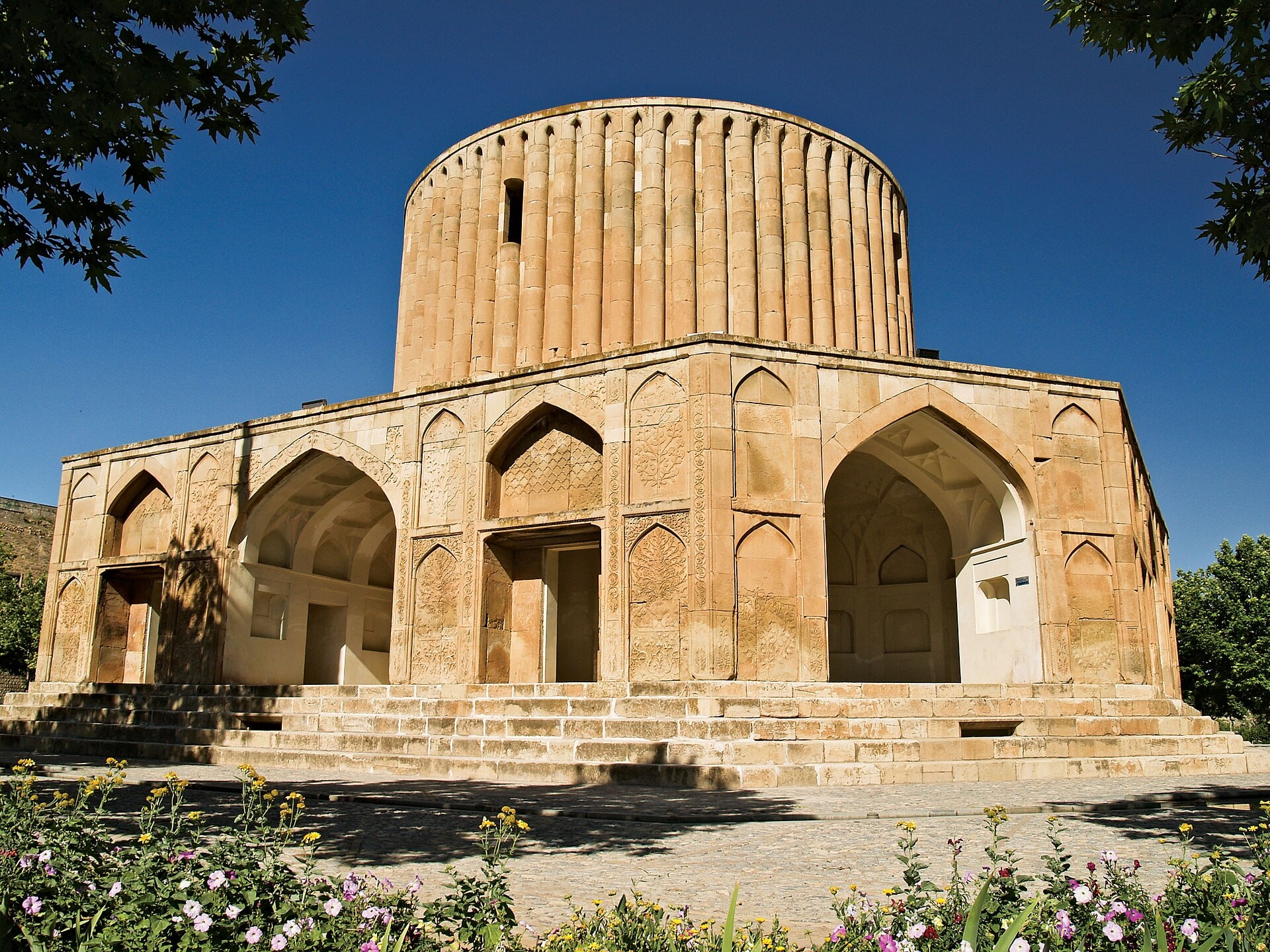
Legacy & the Modern House
Nader Shah was assassinated in 1747 by his own officers, and the Afsharid Empire fragmented in the decades that followed. Yet the Afshar tribe endured. Communities of Afshar descent spread across Iran, Azerbaijan, Turkey, Afghanistan, and Central Asia, carrying with them their language, traditions, and fierce sense of identity.
Today, the House of Afshar — under the guardianship of Emmett Imani — stands as the living custodian of this extraordinary heritage. Its mission is to preserve, document, and celebrate the history and culture of the Afshar people, ensuring that the legacy of one of history's greatest dynasties is never forgotten.
The Enduring Flame
A Legacy That Outlasted Empires
"From a shepherd's son to the master of three continents — Nader Shah Afshar remains one of history's most extraordinary figures."
Continue Exploring